
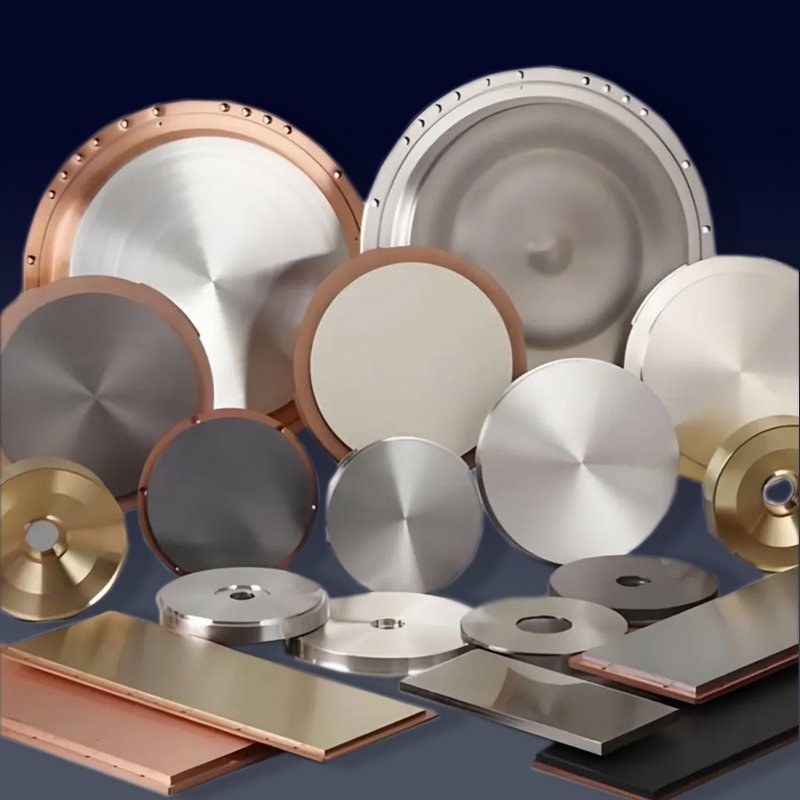



Tungsten and molybdenum are both transition metals with remarkable properties, making them crucial materials in precision machining, high-tech industries, and thin-film deposition. These two metals are widely used in advanced manufacturing processes, but they each have unique characteristics that make them suitable for different applications. In this article, we'll explore the differences between tungsten and molybdenum targets, comparing their physical and chemical properties, fabrication processes, and common uses.
One of the most noticeable differences between tungsten and molybdenum lies in their physical properties—specifically their melting points and density.
Tungsten has the highest melting point of any metal, reaching 3422°C. This makes tungsten ideal for applications that involve extreme heat, such as X-ray tubes and high-temperature sputtering. Additionally, tungsten has a very high density (19.25 g/cm³), which gives it exceptional strength and rigidity. Its ability to maintain stability under high thermal stress makes tungsten perfect for environments that require both high heat resistance and mechanical toughness.
Molybdenum, on the other hand, has a lower melting point of 2623°C, and a density of 10.22 g/cm³. While its melting point is still high enough for most industrial applications, it doesn’t quite match tungsten's heat resistance. However, molybdenum’s lower density makes it more suitable for weight-sensitive applications, like aerospace, where reducing weight without compromising performance is essential.
| Property | Tungsten Target | Molybdenum Target |
|---|---|---|
| Melting Point | 3422°C | 2623°C |
| Density | 19.25 g/cm³ | 10.22 g/cm³ |
| Hardness | Extremely high, ideal for wear-resistant materials and cutting tools | Lower hardness but good toughness |
| Corrosion Resistance | Relatively weak, especially in oxidative environments | Superior, especially in acidic and oxidative environments |
| Applications | X-ray tubes, hard coatings, semiconductor thin-film deposition | Semiconductor manufacturing, solar panels, display coatings |
| High-Temperature Resistance | Excellent, suitable for extreme high-temperature environments | Good, but not as high as tungsten |
| Industries | Aerospace, medical imaging, hard coating | Semiconductor, photovoltaic, flat-panel displays |
| Manufacturing Process | High-temperature sintering, hot isostatic pressing, machining | Medium-temperature sintering, hot pressing, precision machining |
| Product Image | 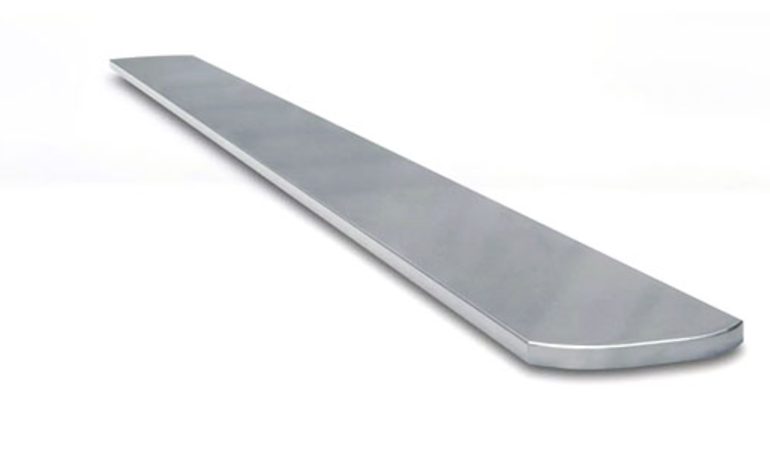 | 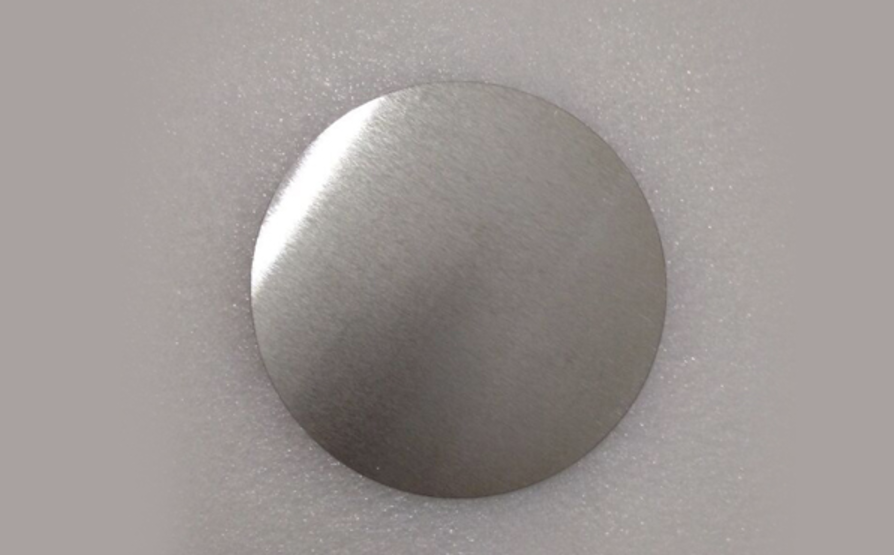 |
In addition to their physical properties, tungsten and molybdenum also differ in terms of corrosion resistance and chemical stability.
Molybdenum shines in environments where corrosion resistance is crucial, particularly in acidic and oxidative conditions. This makes molybdenum the material of choice for chemical processing industries, where equipment often encounters harsh, corrosive substances. Molybdenum’s superior resistance to oxidation makes it more durable in these challenging environments.
Tungsten, while still highly resistant to corrosion, is less effective than molybdenum in oxidative environments, particularly at high temperatures. However, tungsten excels in non-oxidizing atmospheres, where it maintains excellent stability and performance. This characteristic makes tungsten ideal for applications like vacuum systems and X-ray tubes, where corrosion resistance is important but not the primary concern.
Both metals have strong chemical stability, meaning they resist reactions with most metals and non-metals. However, in extreme conditions, molybdenum offers slightly better overall resistance to degradation due to its superior oxidation resistance at high temperatures.
The fabrication processes for tungsten and molybdenum targets are similar, but there are key differences due to their unique physical properties.
Tungsten Targets typically begin with the selection of high-purity tungsten powder, which undergoes physical treatments like ball milling to improve its flowability. The powder is then cold-pressed into rough billets and subjected to high-temperature sintering in a vacuum or inert atmosphere. This process compacts the powder and significantly enhances the target’s mechanical strength and conductivity. After sintering, tungsten targets are carefully machined to the desired size and surface finish, ensuring they meet the precise specifications required for thin-film deposition.
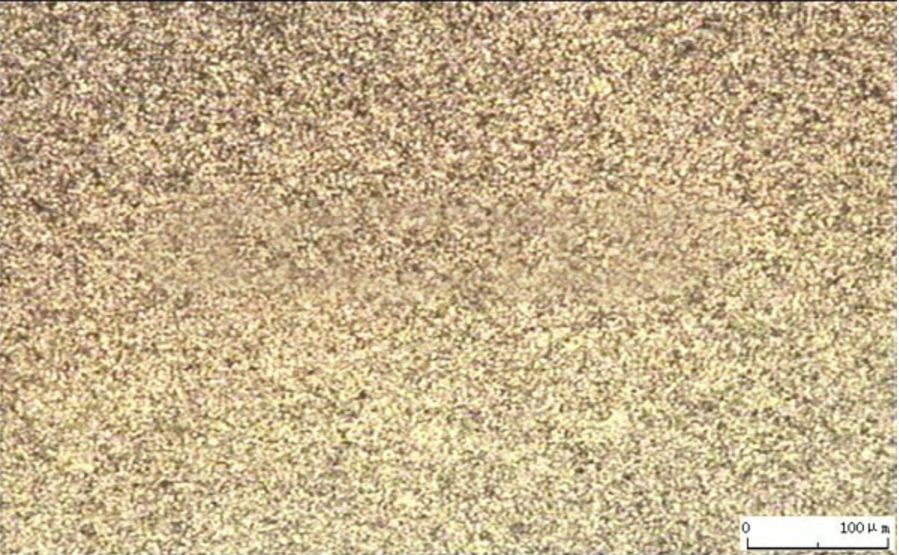
Molybdenum Targets follow a similar process, starting with high-purity molybdenum powder. However, because molybdenum has a lower melting point, it requires less energy to sinter. After cold pressing, molybdenum billets undergo hot pressing or medium-temperature sintering to improve density. Post-sintering, the targets are machined and surface-treated, similar to tungsten, to ensure the targets are ready for sputtering processes.

Both materials undergo similar post-processing steps, such as polishing and cleaning, to remove impurities and ensure a smooth, uniform surface for efficient sputtering.
The differences in the properties of tungsten and molybdenum make each metal ideal for specific applications across a variety of industries.
Tungsten Applications:
X-ray Technology: Tungsten's high melting point and density make it ideal for use in X-ray tubes, where stability at high temperatures is critical. Tungsten also contributes to the sharpness and clarity of medical imaging.
Hard Coatings and Wear Resistance: Tungsten targets are commonly used to create hard, wear-resistant coatings for tools, cutting equipment, and components that need to withstand extreme conditions. Tungsten’s hardness makes it perfect for these demanding applications.
Semiconductor and Thin Film Deposition: In industries like semiconductor manufacturing and photovoltaic solar cells, tungsten targets are used in electron beam evaporation to create high-quality metal films that enhance the performance and longevity of electronic devices.
Molybdenum Applications:
Semiconductor Manufacturing: Molybdenum targets are often used in the production of semiconductor devices, where they play a key role in depositing conductive and barrier layers that improve the performance and reliability of integrated circuits.
Solar Panels: Molybdenum is used as the back electrode material in thin-film solar cells, where its excellent conductivity and chemical stability help to improve the efficiency of solar energy conversion.
Flat-Panel Displays: Molybdenum is used to deposit transparent conductive films in flat-panel displays, such as those used in smartphones, tablets, and TVs. Its excellent conductivity and high transparency are crucial for the performance of these devices.
When deciding between tungsten and molybdenum for your specific application, it's essential to consider the requirements of your industry:
Tungsten is the go-to material for applications requiring extreme high-temperature resistance, high density, and hardness. It's perfect for uses in X-ray technology, wear-resistant coatings, and high-performance thin-film deposition.
Molybdenum, with its excellent corrosion resistance, thermal conductivity, and lightweight properties, is ideal for industries like semiconductor manufacturing, solar energy, and flat-panel display technologies.
Both metals have their strengths, and choosing the right material depends on your specific needs. At WIDIT METALS, we offer a wide range of customized tungsten and molybdenum targets to meet the precise requirements of your industry.