
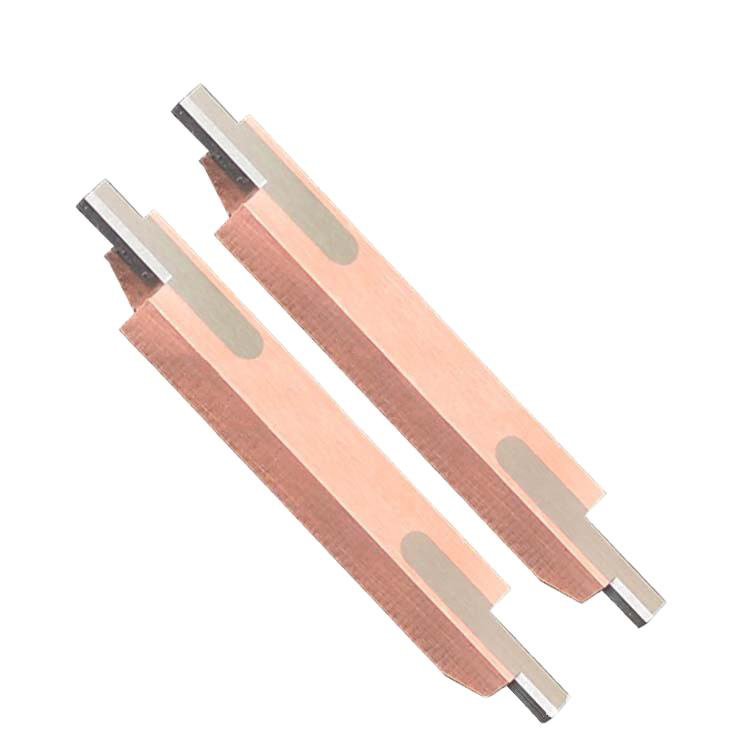
Inlaid Electrode is a type of resistance spot welding electrode, also known as a composite electrode. In order to improve the heat dissipation of tungsten-molybdenum materials, the electrode is often designed with a tungsten-molybdenum tip and a copper or chromium-copper support. The two materials are joined together for use. Generally, there are two common methods for joining the electrode material with the support material: "Press-fit bonding (NDB bonding)" and "Silver soldering (silver solder bonding)".
The NDB electrode is produced using our unique Non Defective Bonding (NDB) method, which directly joins the electrode material with the support material. Its features include excellent heat dissipation, which shortens the welding cycle, improves efficiency, and reduces the thermal load on the electrode tip, thereby extending its lifespan.
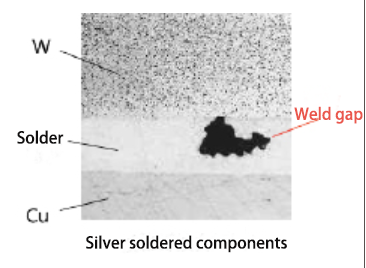
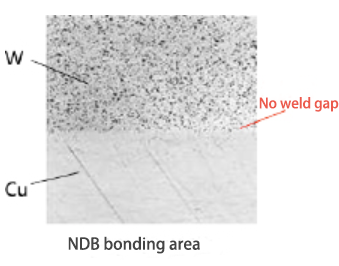
Inlaid electrodes can maximize the concentration of thermal energy on the workpiece being welded, thus creating an efficient weld nugget. Additionally, the copper rod portion of most inlaid electrodes can be easily designed for water cooling. Therefore, inlaid electrodes perform better than solid tungsten or molybdenum electrodes in high-temperature, high-current applications.
Welding electrodes offer excellent electrical conductivity and thermal conductivity, while significantly reducing wear.
They have low cost and exceptionally long service life.
Custom inlaid electrodes can be manufactured according to customer drawings.